
This easy lemon cheesecake cake brings together the best of two worlds: moist lemon buttermilk cake and a creamy, tangy cheesecake center. It is the ultimate dessert for citrus lovers, featuring layers of bright flavor and a decadent lemon cream cheese frosting. Whether you are celebrating a birthday or looking for a refreshing summer treat, this showstopper is sure to impress.
Table of Contents
Why You Will Love This Recipe
There are so many reasons to fall in love with this lemon cheesecake cake. First, the texture contrast is incredible, offering a fluffy, tender crumb alongside a dense, silky cheesecake layer. The use of buttermilk in the cake ensures it stays moist for days, while the lemon extract and fresh zest provide a vibrant punch of flavor that is never overwhelming. Additionally, the assembly is surprisingly straightforward, making it an accessible project for bakers of all skill levels who want to create a professional-looking dessert.
Ingredients
- Full-fat cream cheese: Provides the rich base for the cheesecake layer.
- Granulated sugar: Sweetens the cake, cheesecake, and frosting.
- Salt: Enhances all the citrus and dairy flavors.
- Large eggs: Acts as a binder for both the cake and cheesecake.
- All-purpose flour: Used in a small amount to stabilize the cheesecake batter.
- Sour cream: Adds moisture and a slight tang to the cheesecake.
- Lemon extract: Provides a concentrated burst of lemon flavor throughout.
- Unsalted butter: Used for a rich, buttery cake crumb and a smooth frosting.
- Cake flour: Ensures a delicate, light texture for the cake layers.
- Baking powder and baking soda: The leavening agents that help the cake rise.
- Buttermilk: Creates a tender crumb and reacts with the baking soda.
- Fresh lemon juice: Adds natural acidity and bright citrus notes.
- Vegetable oil: Keeps the cake layers moist even when refrigerated.
- Lemon zest: Offers aromatic citrus oils for an intense lemon experience.
- Powdered sugar: The base for the sweet lemon cream cheese frosting.
Step-by-Step Instructions
- Prepare the Cheesecake Layer: Preheat your oven to 300 degrees F. Place a pan with an inch of water on the lower rack to create a water bath environment. Line a 9-inch springform pan with parchment paper.
- Mix the Cheesecake Batter: Beat the softened cream cheese until smooth. On low speed, add sugar, salt, and flour. Mix in the lemon extract and sour cream, then add eggs one at a time until just combined.
- Bake the Cheesecake: Pour the batter into the springform pan and bake for 45 minutes. Turn off the oven and leave the cheesecake inside with the door slightly ajar for 30 minutes. Cool on the counter, then freeze for 2-3 hours or refrigerate for at least 6 hours.
- Prepare the Cake Layers: Preheat the oven to 350 degrees F. Grease and flour two 9-inch round cake pans. Whisk the cake flour, baking powder, baking soda, salt, and lemon zest in a medium bowl.
- Combine Wet Ingredients: In a separate bowl, stir together the buttermilk, oil, lemon extract, and lemon juice.
- Cream Butter and Sugar: In a stand mixer, beat the butter and sugar for 3-5 minutes until light and fluffy. Add the eggs one at a time.
- Finish the Cake Batter: Alternately add the dry and wet ingredients to the butter mixture, starting and ending with the dry. Do not overmix. Divide the batter between the two pans.
- Bake the Cakes: Bake for 20-24 minutes or until a toothpick comes out clean. Allow them to cool in the pans for 10 minutes before transferring to a wire rack.
- Make the Frosting: Beat the butter and cream cheese until smooth. Add lemon extract and zest. Gradually mix in the powdered sugar until you reach a spreadable consistency.
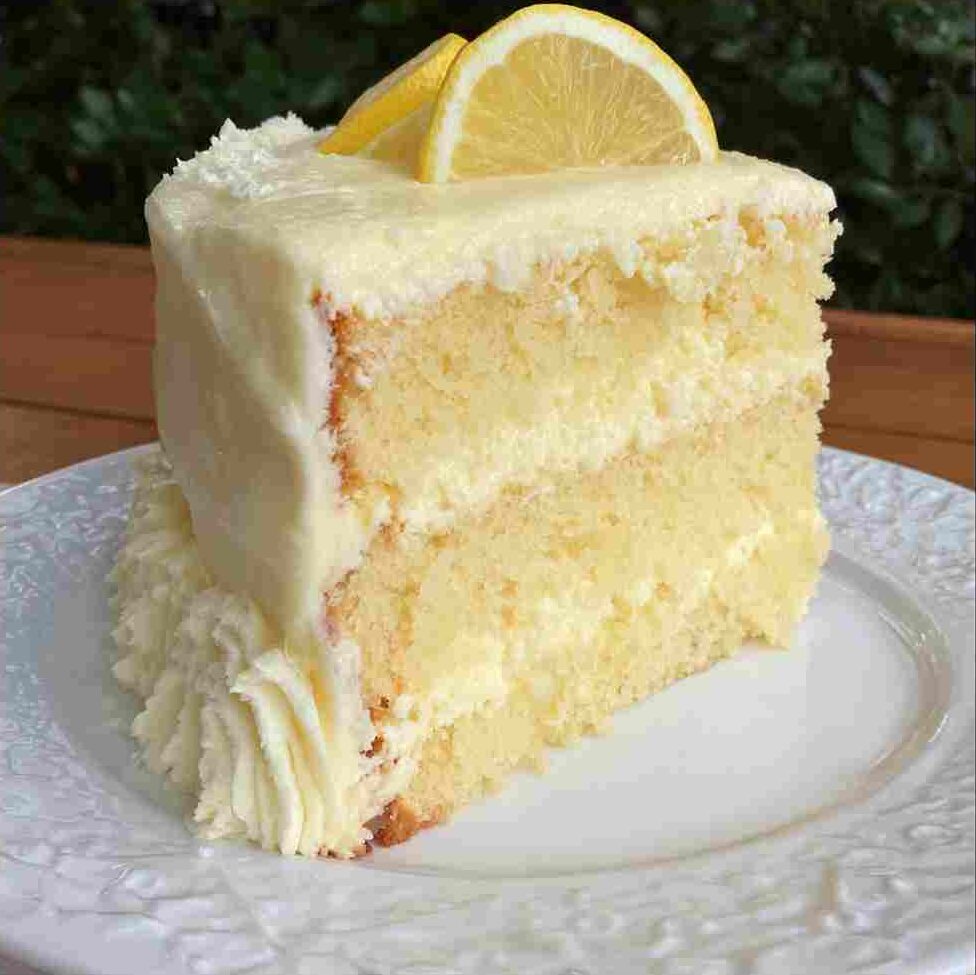
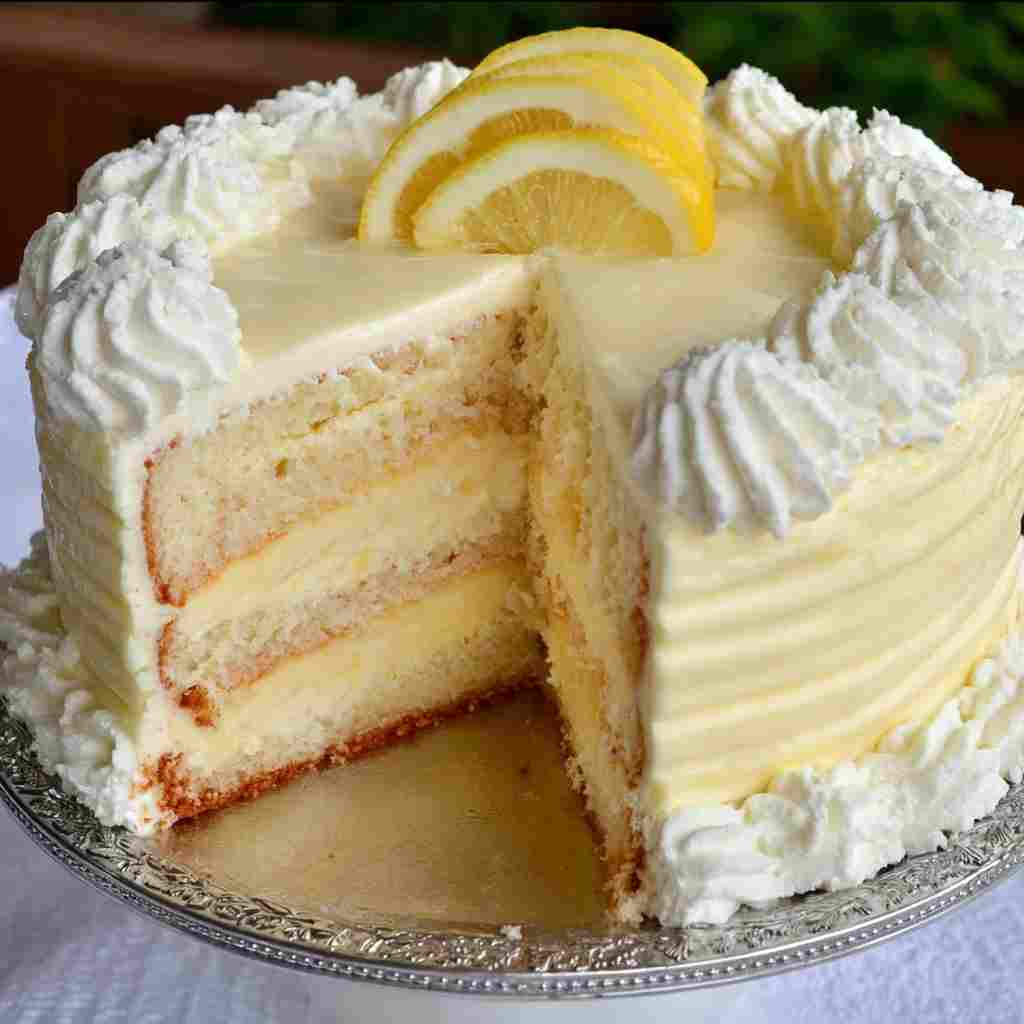
- Assemble the Cake: Place one cake layer on a plate and spread with a thin layer of frosting. Top with the chilled cheesecake layer. Spread another thin layer of frosting over the cheesecake, then top with the final cake layer.
- Decorate: Apply a crumb coat and chill for 15 minutes. Finish with a final coat of frosting, using a bench scraper or offset spatula to create textures or swirls as desired.
Expert Tips / Pro Tips
To ensure the best results, always use full-fat brick cream cheese rather than the spreadable kind found in tubs. Room temperature ingredients are also vital; make sure your eggs, butter, and cream cheese are not cold when you start mixing to avoid a lumpy batter. If you find that your cheesecake layer is slightly wider than your cake layers after chilling, simply use a warm knife to trim the edges for a perfectly flush look. Finally, if the frosting becomes too soft while you are decorating, pop both the cake and the frosting bowl into the fridge for 15 minutes to firm up.
Variations & Substitutions
If you do not have buttermilk on hand, you can make a quick substitute by adding one tablespoon plus one teaspoon of lemon juice or vinegar to 1 1/4 cups of milk and letting it sit for five minutes. For those who do not have cake flour, you can substitute all-purpose flour by removing two tablespoons of flour for every cup and replacing it with two tablespoons of cornstarch. If you want to change the flavor profile, this recipe works beautifully with lime or orange zest and extracts for a different citrus twist.
Serving Suggestions
This lemon cheesecake cake is quite rich, so it pairs beautifully with light accompaniments. Serve each slice with a handful of fresh raspberries, blueberries, or strawberries to complement the tartness of the lemon. A dollop of lightly sweetened whipped cream or a sprig of fresh mint can also add a decorative and refreshing touch. For a formal presentation, garnish the top of the cake with candied lemon slices or thin wedges of fresh lemon.
Storage, Freezing & Reheating
Because of the cream cheese frosting and cheesecake layer, this cake must be stored in the refrigerator. Keep it in an airtight container or a cake carrier for up to 5 days. If you wish to freeze the cake, it is best to freeze individual slices wrapped tightly in plastic wrap and then placed in a freezer-safe bag for up to 3 months. To serve from the freezer, thaw the slice in the refrigerator overnight. Reheating is not recommended, as the cheesecake and frosting are best enjoyed chilled or at a cool room temperature.
Nutrition Information
| Nutrient | Amount Per Serving (Approximate) |
|---|---|
| Calories | 645 kcal |
| Total Fat | 36g |
| Saturated Fat | 21g |
| Cholesterol | 145mg |
| Sodium | 380mg |
| Total Carbohydrates | 78g |
| Dietary Fiber | 1g |
| Sugars | 58g |
| Protein | 7g |
Lemon Cheesecake Cake
Ingredients
Equipment
Method
- Preheat your oven to 300 degrees F. Place a pan with an inch of water on the lower rack to create a water bath environment. Line a 9-inch springform pan with parchment paper.
- Beat the softened cream cheese until smooth. On low speed, add sugar, salt, and flour. Mix in the lemon extract and sour cream, then add eggs one at a time until just combined.
- Pour the batter into the springform pan and bake for 45 minutes. Turn off the oven and leave the cheesecake inside with the door slightly ajar for 30 minutes. Cool on the counter, then freeze for 2-3 hours or refrigerate for at least 6 hours.
- Preheat the oven to 350 degrees F. Grease and flour two 9-inch round cake pans. Whisk the cake flour, baking powder, baking soda, salt, and lemon zest in a medium bowl.
- In a separate bowl, stir together the buttermilk, oil, lemon extract, and lemon juice.
- In a stand mixer, beat the butter and sugar for 3-5 minutes until light and fluffy. Add the eggs one at a time.
- Alternately add the dry and wet ingredients to the butter mixture, starting and ending with the dry. Do not overmix. Divide the batter between the two pans.
- Bake for 20-24 minutes or until a toothpick comes out clean. Allow them to cool in the pans for 10 minutes before transferring to a wire rack.
- Beat the butter and cream cheese until smooth. Add lemon extract and zest. Gradually mix in the powdered sugar until you reach a spreadable consistency.
- Place one cake layer on a plate and spread with a thin layer of frosting. Top with the chilled cheesecake layer. Spread another thin layer of frosting over the cheesecake, then top with the final cake layer.
- Apply a crumb coat and chill for 15 minutes. Finish with a final coat of frosting, using a bench scraper or offset spatula to create textures or swirls as desired.
Notes
FAQ
Can I use a store-bought lemon cake mix for this recipe?
Yes, you can use a boxed lemon cake mix if you are short on time. Simply prepare the mix according to the package instructions and use them as the cake layers alongside the homemade cheesecake layer and frosting provided in this recipe.
Why did my cheesecake layer crack?
Cheesecake usually cracks due to sudden temperature changes or overbeating the eggs. Using the water bath method and allowing the cheesecake to cool slowly in the oven with the door cracked helps prevent this. However, since the layer is sandwiched between cake, any small cracks will be hidden by frosting.
Do I really need a springform pan?
A springform pan is highly recommended for the cheesecake layer because it allows you to remove the delicate cheesecake without flipping the pan, which could cause it to break. If you must use a regular pan, line it heavily with parchment paper so you can lift the cheesecake out vertically.
How do I get perfectly clean slices?
To get clean, professional-looking slices, use a long, sharp knife dipped in hot water. Wipe the knife clean after every single cut to prevent the frosting and cheesecake from smearing across the cake layers.