
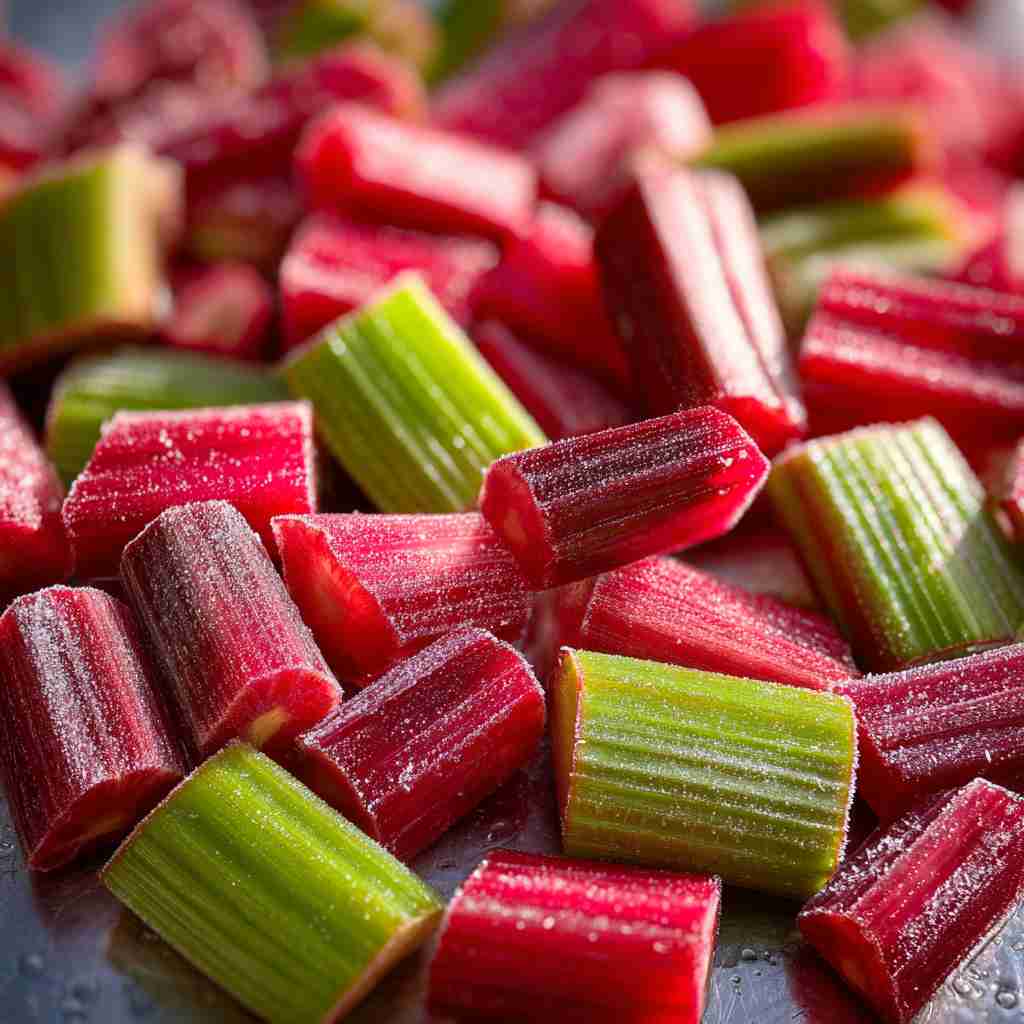
Learning how to freeze rhubarb is the best way to preserve this tart, seasonal vegetable for year-round use. Whether you have a garden surplus or found a great deal at the farmers market, freezing ensures you can enjoy delicious crumbles and pies even in the middle of winter. This simple guide will show you the easiest method to keep your rhubarb fresh and ready for baking.
Why You Will Love This Recipe
You will love this method because it is incredibly efficient and requires zero specialized equipment. By flash freezing the rhubarb first, you prevent the pieces from clumping together, allowing you to measure out exactly what you need for a recipe without defrosting the entire bag. It is a fantastic way to reduce food waste and save money by preserving the harvest at its peak ripeness.
Ingredients
- Fresh rhubarb stalks
- Water (for washing)
Step-by-Step Instructions
- Begin by thoroughly washing the rhubarb stalks under cool running water to remove any dirt or debris.
- Trim off the ends of the stalks and discard any remaining leaves, as rhubarb leaves are toxic and should never be consumed.
- Pat the stalks completely dry with a clean kitchen towel or paper towels; removing excess moisture is key to preventing ice crystals.
- Slice the rhubarb into uniform pieces, typically about 1/2 inch to 1 inch thick, depending on your preference for future recipes.
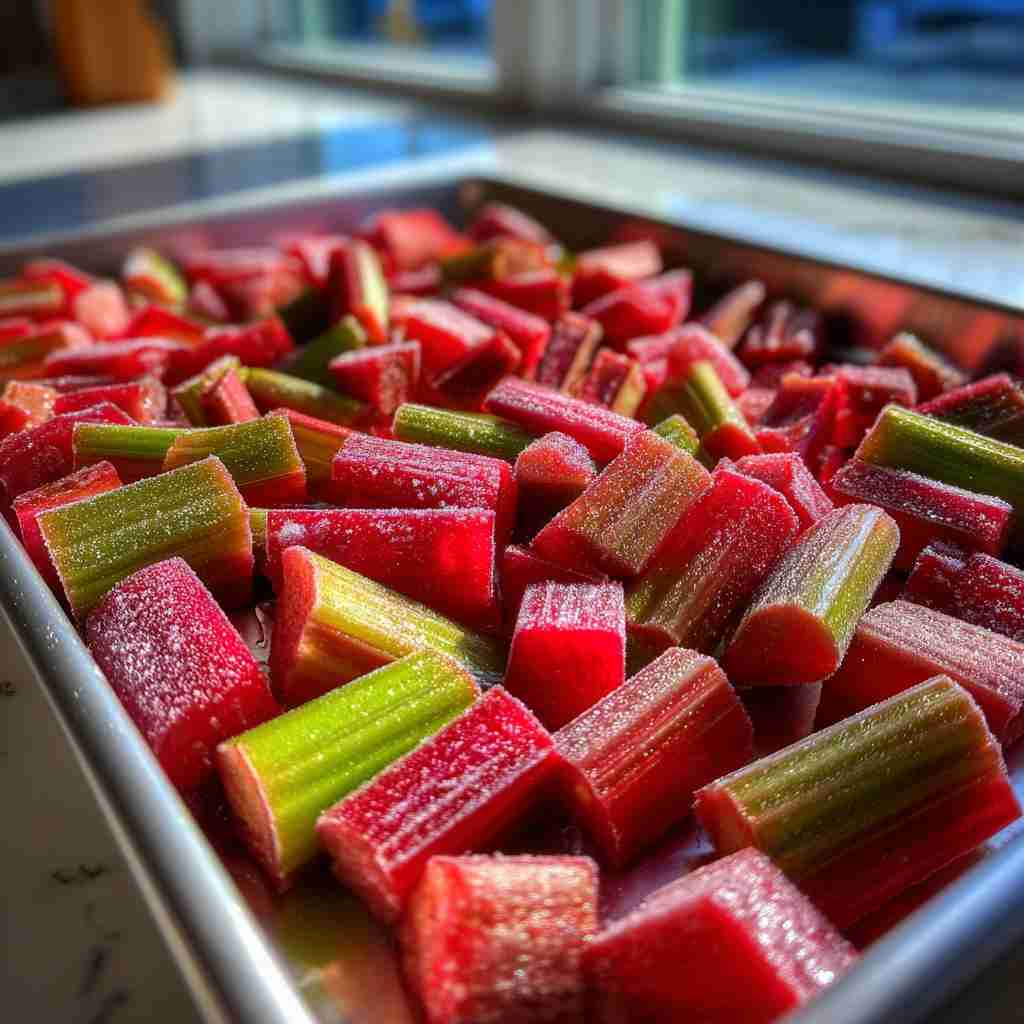
- Spread the sliced rhubarb in a single layer on a large baking sheet lined with parchment paper, ensuring the pieces are not touching.
- Place the baking sheet in the freezer for 2 to 4 hours, or until the rhubarb pieces are frozen solid.
- Once frozen, transfer the rhubarb pieces into airtight freezer-safe bags or containers, squeezing out as much air as possible before sealing.
- Label the bags with the date and quantity so you can easily track your inventory.
Expert Tips / Pro Tips
For the best results, always choose firm, crisp stalks that are not wilted. If your rhubarb stalks are particularly thick, you may want to slice them lengthwise down the middle before chopping them into bite-sized pieces to ensure they cook evenly later. Another pro tip is to freeze the rhubarb in specific measurements, such as 2-cup or 4-cup portions, which match your favorite pie or cake recipes. This saves time during the baking process because you won’t have to measure frozen chunks.
Variations & Substitutions
While the dry-pack method described above is the most common, you can also use a sugar-pack method. To do this, toss your sliced rhubarb with a small amount of granulated sugar (about 1 part sugar to 4 parts rhubarb) before freezing. This helps preserve the color and texture even better, though it does add sweetness. If you plan on making sauce or jam immediately after thawing, you can also blanch the rhubarb for one minute in boiling water followed by an ice bath, though most bakers find this unnecessary for standard freezing.
Serving Suggestions
Frozen rhubarb is perfect for a variety of sweet and savory dishes. You can toss the frozen chunks directly into a strawberry rhubarb crisp, stir them into muffin batter, or simmer them with a little sugar and water to create a vibrant compote for yogurt or oatmeal. It also works beautifully in smoothies for a tart kick or as a base for a homemade rhubarb simple syrup used in cocktails and mocktails.
Storage, Freezing & Reheating
When stored correctly in high-quality freezer bags or vacuum-sealed pouches, frozen rhubarb will maintain its best quality for 9 to 12 months. While it remains safe to eat after that, it may begin to develop freezer burn or lose its characteristic tart flavor. When you are ready to use it, there is usually no need to thaw the rhubarb if you are using it in baked goods; simply add it to the batter or filling and increase the baking time by a few minutes. If a recipe specifically calls for thawed rhubarb, let it sit in a colander over a bowl in the refrigerator so the excess liquid can drain away.
Nutrition Information
| Nutrient | Amount Per 1 Cup (Raw) |
|---|---|
| Calories | 26 kcal |
| Fiber | 2.2 g |
| Vitamin K | 29.3 mcg |
| Vitamin C | 8 mg |
| Calcium | 105 mg |
FAQ
Do I need to peel the rhubarb before freezing?
No, you do not need to peel rhubarb. The skin provides the beautiful pink or red color and softens significantly during the cooking or baking process.
Can I freeze whole rhubarb stalks?
You can freeze them whole, but it is not recommended. Whole stalks take up more space and are very difficult to cut once frozen. Slicing them beforehand makes them much more versatile.
Why did my frozen rhubarb turn mushy?
Rhubarb has a high water content, so the cell walls break down during the freezing and thawing process. While it will lose its crispness once thawed, it is still perfectly fine for use in pies, sauces, and cakes where a soft texture is expected.
Is it necessary to blanch rhubarb?
Blanching is not strictly necessary for rhubarb. Most people prefer freezing it raw because it preserves the flavor and texture better for baking applications.
How to Freeze Rhubarb
Ingredients
Method
- Wash the rhubarb stalks thoroughly under cold running water to remove any dirt or debris.
- Trim off the ends of the stalks and discard any remaining leaves, as they are toxic and should never be consumed.
- Slice the rhubarb stalks into 1/2-inch to 1-inch pieces, depending on your preference for future recipes like pies or crumbles.
- Spread the sliced rhubarb in a single layer on a parchment-lined baking sheet to prevent clumping during the freezing process.
- Place the baking sheet in the freezer for 2 to 4 hours, or until the rhubarb pieces are frozen solid (this is known as flash freezing).
- Transfer the frozen rhubarb pieces into airtight freezer bags or vacuum-sealed containers, removing as much air as possible.
- Label the bags with the date and quantity, then store in the freezer for up to 12 months.