
Experience the heart of German street food with these Authentic German Potato Pancakes, also known as Reibekuchen. These crispy, golden fritters offer a nostalgic taste of European Christmas markets right in your own kitchen.
Table of Contents
Why You Will Love This Recipe
- Uses straightforward pantry ingredients for big, nostalgic flavor
- Double-frying method ensures a crispy, lacy exterior and fluffy interior
- Customizable to be served sweet with applesauce or savory with toppings
- An easy comfort food recipe that brings Germanic flavors home
- Feeds a crowd or makes fantastic leftovers to reheat
Ingredients
- 1 lb russet potatoes (peeled and grated)
- 1 small yellow onion (grated)
- Pinch of salt (plus more for seasoning)
- Pinch of black pepper (for savory pancakes)
- 3 tbsp all-purpose flour
- 1 large egg
- Vegetable oil for frying
Step-by-Step Instructions
- Wash and peel the potatoes. Grate them into a bowl using the large grating side of a box grater. Grate the onion into the same bowl.
- If there is excess liquid pooling in the potato mixture, drain off as much as possible. This is a crucial step to ensure your pancakes don’t become soggy.
- Add the salt, pepper (if making savory pancakes), flour, and egg to the potato-onion mixture. Use your hands or a large spoon to thoroughly mix everything together into a thick, cohesive batter.
- Heat 1-2 tbsp vegetable oil over medium heat in a large heavy cast-iron skillet. For each pancake, scoop about 2 tbsp of the potato batter into the hot oil, flattening slightly with the back of a spoon or spatula.
- Fry the pancakes for 3-4 minutes per side until they are deeply golden brown and crispy on both sides. Transfer them to a paper towel-lined plate to drain.
- For the ultimate crunch, perform a second fry. Once all pancakes have been fried once, return them to the pan for 30-60 seconds per side until they reach maximum crispiness.
- Serve the potato pancakes immediately while they are piping hot. Top with your choice of sweet or savory garnishes.
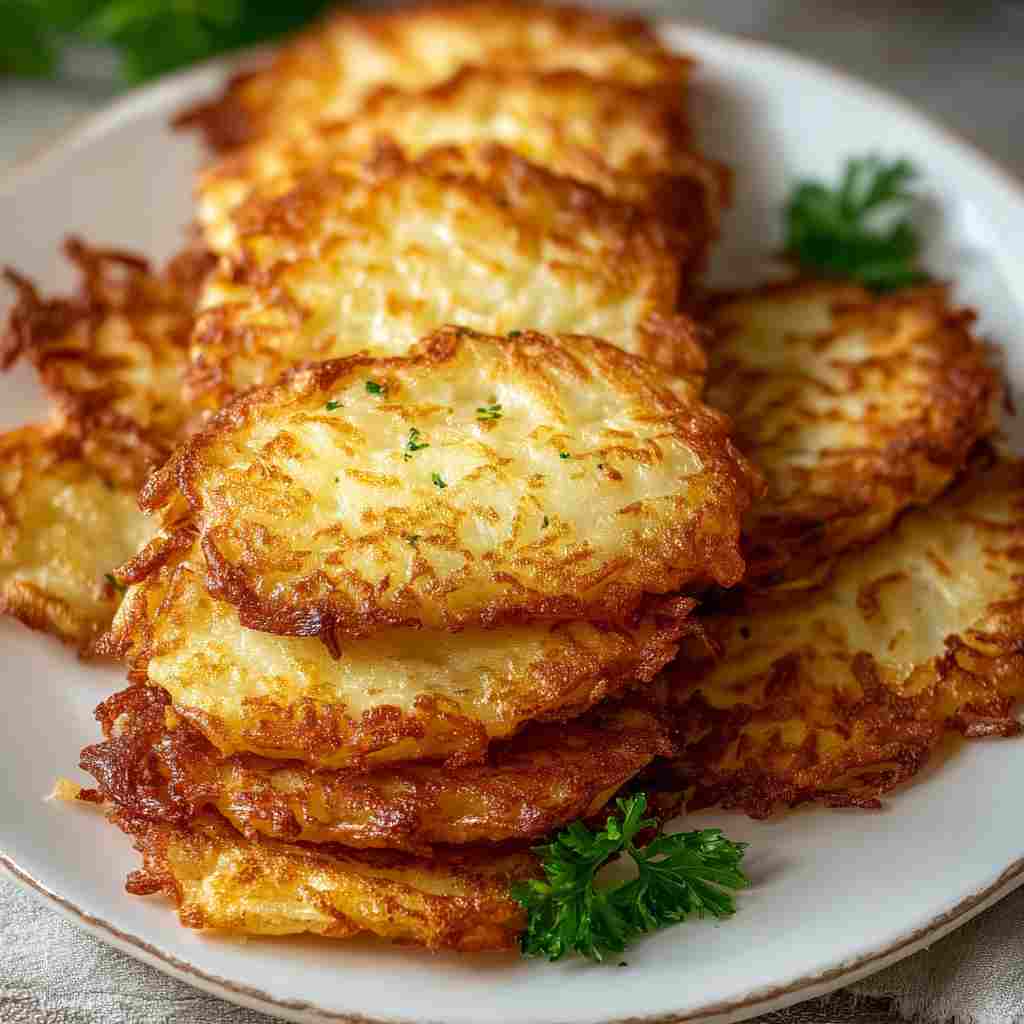
Expert Tips / Pro Tips
To achieve the most authentic texture, always use starchy potatoes like Russets. The high starch content helps the pancakes hold together and creates those signature lacy, crispy edges. Another pro tip is to use a kitchen towel to squeeze out every drop of moisture from the grated potatoes and onions before mixing in the flour and egg. The drier the potato, the crunchier the pancake! Finally, ensure your oil is hot before dropping the batter; if the oil is too cool, the pancakes will absorb the grease and become heavy.
Variations & Substitutions
While the classic recipe is perfection, you can easily customize these fritters. For a more aromatic savory version, add two cloves of minced garlic or a handful of fresh chopped chives to the batter. If you are looking for a gluten-free alternative, you can substitute the all-purpose flour with a gluten-free 1:1 baking blend or even a few tablespoons of potato starch. For a different flavor profile, some regions in Germany add a pinch of nutmeg to the batter to enhance the earthy potato flavor.
Serving Suggestions
Authentic German Potato Pancakes are incredibly versatile. In Germany, it is very common to serve them sweet with Apfelmus (applesauce) and a dusting of powdered sugar or a sprinkle of brown sugar. If you prefer a savory meal, these pancakes pair beautifully with a dollop of sour cream or Greek yogurt, smoked salmon, and fresh dill. They also make a fantastic side dish for hearty German main courses like Sauerbraten or Schnitzel.
Storage, Freezing & Reheating
If you have leftovers, store them in an airtight container in the refrigerator for up to 3 days. To freeze, place the cooked pancakes in a single layer on a baking sheet to flash-freeze, then transfer them to a freezer-safe bag for up to 2 months. When you are ready to eat, avoid the microwave as it makes them soft. Instead, reheat them in a skillet over medium heat with a tiny bit of oil or in an air fryer at 375 degrees Fahrenheit for 3-5 minutes to restore their original crunch.
Nutrition Information
| Nutrient | Amount Per Serving (1 Pancake) |
| Calories | 145 kcal |
| Total Fat | 7g |
| Carbohydrates | 18g |
| Protein | 3g |
| Sodium | 110mg |
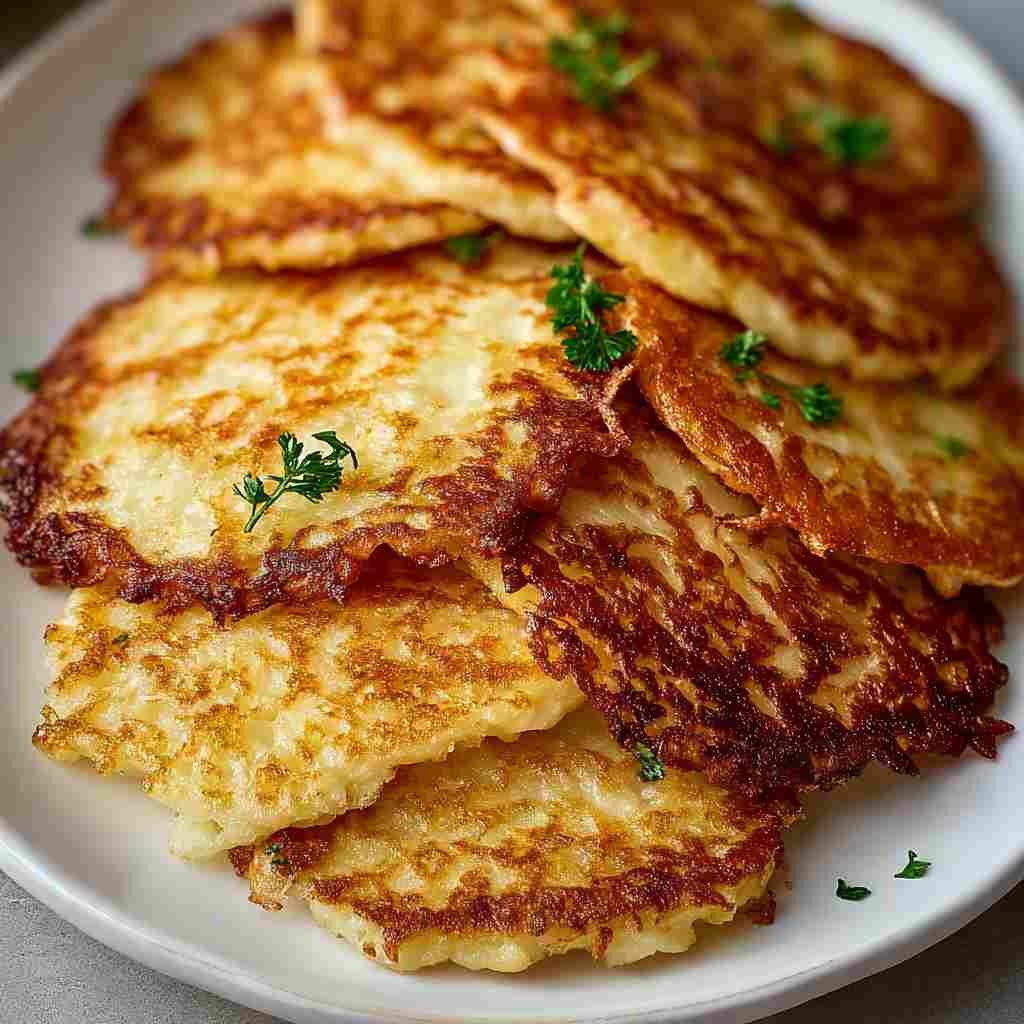
Authentic German Potato Pancakes (Reibekuchen)
Ingredients
Method
- Wash and peel the potatoes. Grate them into a bowl using the large grating side of a box grater. Grate the onion into the same bowl.1 lb russet potatoes, 1 small yellow onion
- If there is excess liquid pooling in the potato mixture, drain off as much as possible. This is a crucial step to ensure your pancakes don’t become soggy.
- Add the salt, pepper (if making savory pancakes), flour, and egg to the potato-onion mixture. Use your hands or a large spoon to thoroughly mix everything together into a thick, cohesive batter.1 pinch salt, 1 pinch black pepper, 3 tbsp all-purpose flour, 1 large egg
- Heat 1-2 tbsp vegetable oil over medium heat in a large heavy cast-iron skillet. For each pancake, scoop about 2 tbsp of the potato batter into the hot oil, flattening slightly with the back of a spoon or spatula.Vegetable oil
- Fry the pancakes for 3-4 minutes per side until they are deeply golden brown and crispy on both sides. Transfer them to a paper towel-lined plate to drain.
- For the ultimate crunch, perform a second fry. Once all pancakes have been fried once, return them to the pan for 30-60 seconds per side until they reach maximum crispiness.
- Serve the potato pancakes immediately while they are piping hot. Top with your choice of sweet or savory garnishes.
Notes
FAQ
What is the difference between Reibekuchen and Kartoffelpuffer?
In many regions of Germany, the terms are used interchangeably. Generally, Reibekuchen refers to the version made with raw grated potatoes, which is exactly what this recipe provides. Some variations of Kartoffelpuffer may use a mix of cooked and raw potatoes, but the raw version is the most common street food variety.
Why are my potato pancakes falling apart?
If your pancakes are falling apart in the pan, it is usually because the batter is too wet or there is not enough binder. Make sure you drain the potato liquid thoroughly and that you have used a large enough egg to hold the flour and potatoes together.
Can I use a food processor to grate the potatoes?
Yes! Using a food processor with the grating attachment is a great time-saver. Just be careful not to over-process them into a paste; you still want distinct shreds of potato to ensure the proper lacy texture when fried.